Now live — every launch is free
Go-to-market for indie hackers
No marketing team, no ad budget, no growth hire. The GTM stack that works when it's just you and a repo.
The short answer
An indie hacker's go-to-market stack is three layers: a permanent listing on a directory buyers actually browse (free, cancel anytime), an active presence in one community where your users congregate, and one launch event for the spike. Skip ads until a channel proves it converts — a listing plus a community beats a $500 experiment for the first hundred users.
Free forever. Live in minutes — no queue, no review.

Kling 3.0
2
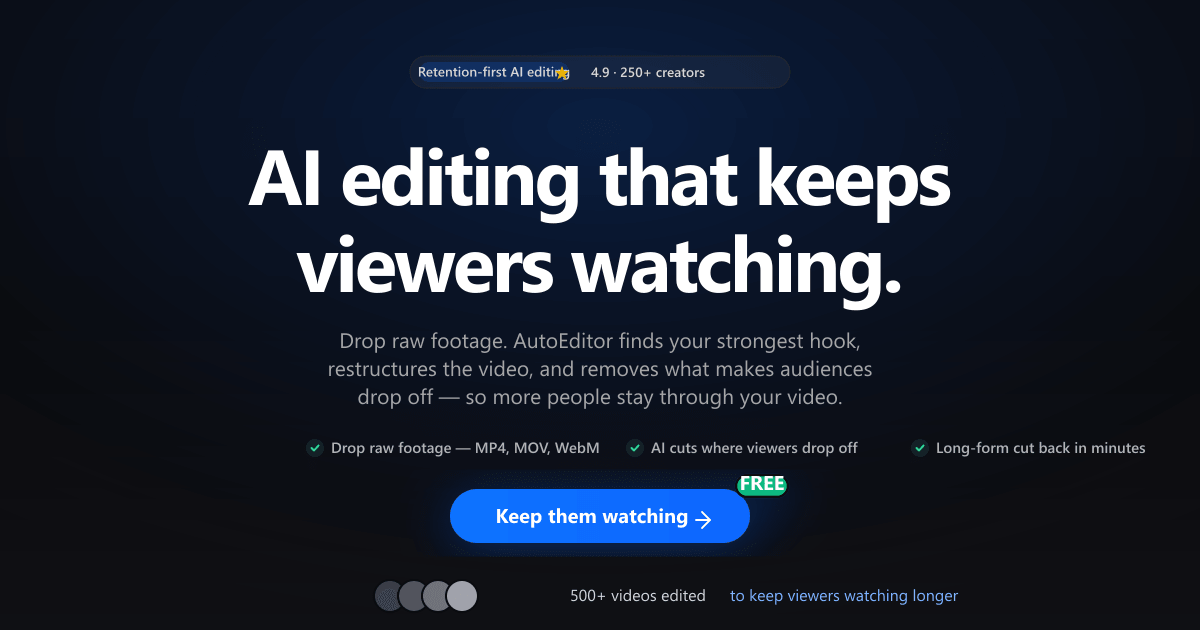
AutoEditor — Long-Form AI Video Editor That Cuts What Makes Viewers Leave
New

aitradely
New
Rill browser
New
EarlyLore - AI Startup Idea Validator, Micro-SaaS Ideas & Competitor Research
New
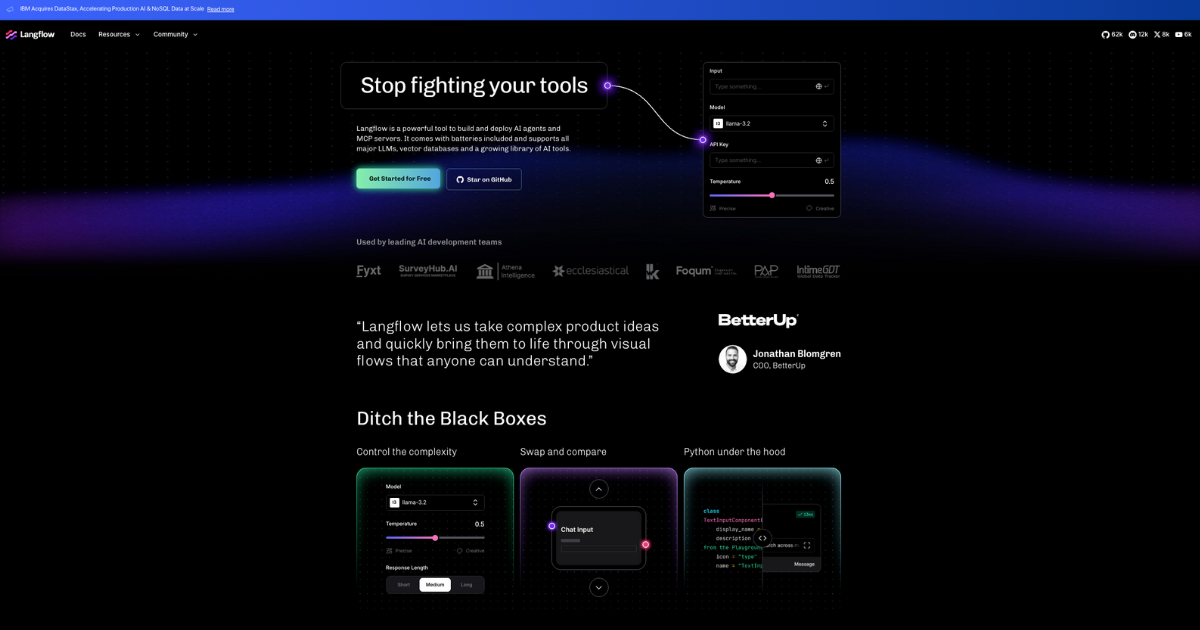
Langflow
New

worldmonitor
New
CLI-Anything Hub
New

Kling 4.0 AI Video Generator
New

Wan 3.0 AI Video Generator 1080P Videos Up to 30 Seconds
New

TokenWatch
New
Kling 3.0
2
AutoEditor — Long-Form AI Video Editor That Cuts What Makes Viewers Leave
New
aitradely
New
Rill browser
New
EarlyLore - AI Startup Idea Validator, Micro-SaaS Ideas & Competitor Research
New
Langflow
New
worldmonitor
New
CLI-Anything Hub
New
Kling 4.0 AI Video Generator
New
Wan 3.0 AI Video Generator 1080P Videos Up to 30 Seconds
New
TokenWatch
New
$0
budget needed for the indie GTM stack
3
channels to run — not twelve
24/7
how long a permanent listing works for you
GTM advice is written for funded startups
Most go-to-market playbooks assume a sales motion, a content team, or a five-figure ad budget. Indie hackers have none of those — they have evenings, a shipping habit, and maybe a Twitter account with 200 followers. Copying startup GTM produces a graveyard of half-built channels: a dead blog, three ads that never converted, a launch that got four upvotes. The channels that work for a solo founder are the ones where buyers already gather with intent.
The three-layer indie GTM stack
Layer one: permanence. A directory listing that indexes, ranks, and keeps sending buyers — do this once, it compounds. Layer two: presence. Pick the single community where your buyers already complain about the problem and be useful there. Layer three: the event. One coordinated launch for the spike, once the base exists to catch it.
Permanent listing first
free, instant, indexed. Every other channel drains into a page that stays live while subscribed — launch traffic has somewhere to land.
One community, real presence
Find where your users already discuss the pain. Answer questions, ship in public, mention the product when it's the fix — not as a pitch.
One launch event
After the base exists: Product Hunt, Show HN, or a community launch day. The spike drains into the permanent listing instead of evaporating.
Signal-driven iteration
Watch clicks and saves, not vibes. If the listing gets views but no clicks, the pitch is wrong — fix copy before adding channels.
Trending now
Kling 3.0
TrendingCreate AI videos with cinematic motion and native audio.
AutoEditor — Long-Form AI Video Editor That Cuts What Makes Viewers Leave
TrendingAutoEditor finds your strongest hook, restructures your long-form video, and removes the moments where audiences drop off — so more people f
aitradely
TrendingAsk an AI with live prices, indicators and news loaded. Build a strategy in plain words, backtest it on history, get a signal when it fires.
Rill browser
TrendingA free Mac browser. Tell your coding agent from any page, and keep browsing while it gets done.
Live distribution
Kling 3.0 matched to Video
TokenWatch shared to AI Tools members
Wan 3.0 AI Video Generator 1080P Videos Up to 30 Seconds shared to AI Tools members
Kling 4.0 AI Video Generator shared to AI Tools members
Stop shouting into the void.
The buyers are already here. Launch free today — your product goes live instantly and gets routed to the communities looking for it.
FAQ
What is a go-to-market strategy for a solo founder?
A three-layer stack: a permanent directory listing for durable discovery, one community where your buyers live, and one launch event for the spike. No ads until a channel proves it converts.
Should indie hackers run paid ads?
Not first. Paid ads cost money to learn what a free listing teaches for the price of a coffee — whether anyone wants it. Earn the first hundred users on intent channels, then buy ads against a proven pitch.
How is indie GTM different from startup GTM?
Startups buy reach; indie hackers borrow it. Your leverage is showing up where buyers already look — directories, communities, launch events — instead of building audiences from zero.
How long until an indie GTM stack shows results?
A listing can send its first clicks the same week. Community presence compounds over a month or two. The pattern most founders miss: the slow channels are the durable ones.